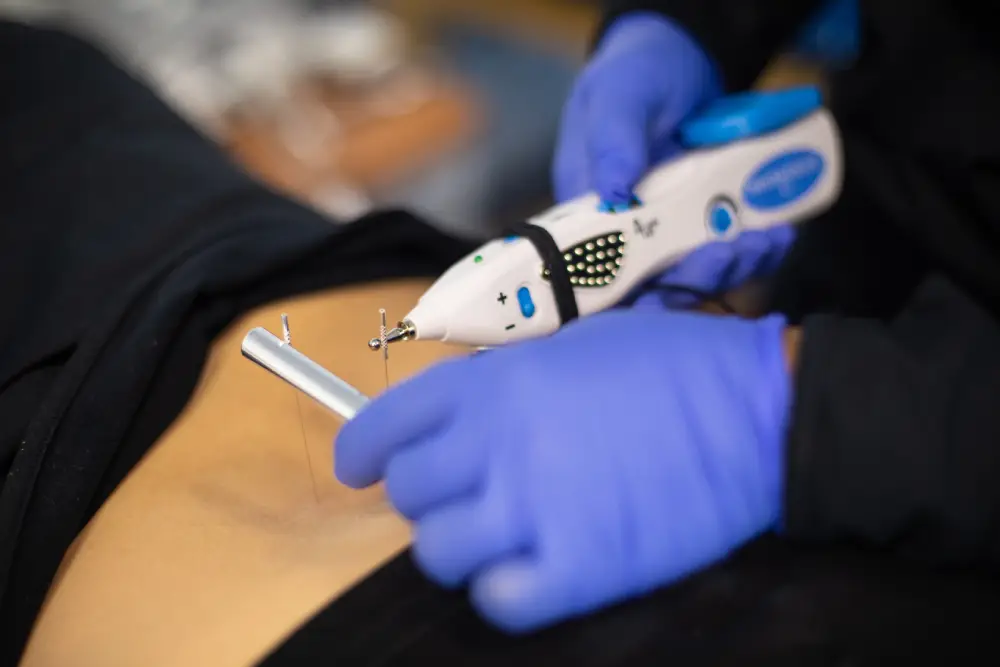
Spinal Cord Stimulation (SCS) is an advanced therapy used to manage chronic pain when other treatments have not provided lasting relief.
It involves:
Implanting a small medical device
Delivering mild electrical impulses to the spinal cord
Modifying how pain signals are perceived by the brain
Pain is not removed at its source. Instead, it is disrupted before reaching the brain, reducing how intensely it is felt.
Patients often ask, “What is spinal cord stimulation?” In practical terms, it is a spinal cord stimulator procedure designed for long-term pain control when conservative and interventional treatments have not been sufficient.
Conditions Commonly Treated with Spinal Cord Stimulation
Pain that persists after injections or nerve procedures
Pain interfering with daily activities and sleep
Patients seeking chronic neck pain treatment or a spinal cord stimulator for chronic pain typically have exhausted other options. If pain previously improved with Radiofrequency Ablation but later returned, SCS may be considered as a next-step option.
How Spinal Cord Stimulation Interrupts Pain Signals
SCS differs from injection-based or nerve-targeting procedures. The implanted device sends controlled electrical impulses that:
Modify pain signal transmission at the spinal level
Prevent pain messages from reaching the brain in their original intensity
Many patients describe their pain as reduced, duller, or less constant or less intense. This therapy is intended for long-term pain control rather than short-term symptom relief.
Spinal Cord Stimulation vs. Other Pain Treatments
Treatment pathways are typically progressive.
Injection-Based Treatments
Injection-Based Treatments
They reduce inflammation, provide temporary relief, and are often used earlier in care.
Radiofrequency Ablation
Radiofrequency Ablation
Disables specific pain-causing nerves, providing relief that may last for several months.
Spinal Cord Stimulation
Spinal Cord Stimulation
Modifies pain perception at the spinal cord level for ongoing pain management and is considered when pain persists despite multiple treatments.
Patients who have undergone procedures such as Facet Joint Injections or medial branch blocks without sustained improvement may be candidates for SCS.
What to Expect During the Spinal Cord Stimulation Process
The process is structured and methodical.
Evaluation Phase
- Comprehensive clinical assessment
- Review of imaging and prior treatment history
Trial Phase
- Temporary placement of stimulation leads
- Short-term trial to assess pain reduction
- Ability to evaluate effectiveness before permanent implantation
Implantation Phase
-Placement of a small, discreet device under the skin
-Device programming tailored to individual pain patterns
The trial allows testing before commitment. The device is customizable and designed to integrate into daily life.
Results, Longevity & Daily Life with SCS
Outcomes vary, but many patients report a significant reduction in daily pain levels.
Therapy is designed for long-term use
Device settings can be adjusted as pain patterns change
Focus is improved function, comfort, and quality of life
Common search questions include “spinal cord stimulator results” and “spinal cord stimulation effectiveness.” Effectiveness depends on accurate diagnosis, proper patient selection, and adherence to follow-up care.
Recovery, Risks & Safety
Recovery varies depending on whether the patient is in the trial or implantation phase.
Patients may experience:
Temporary soreness near the implant site
Mild activity restrictions during initial healing
Serious complications are uncommon. Spinal Cord Stimulation is widely used for chronic pain management, and ongoing follow-up ensures both safety and optimization of therapy settings.
When chronic neck pain no longer responds to standard treatments, Spinal Cord Stimulation may offer a structured path forward focused on control, function, and long-term relief. Our chiropractic care services involve being attentive and treating you as an individual, ensuring you get the relief you need.